Virtual Battles to Real-World Ventures


From Computer Games to Business Games
If there’s one thing that defined my childhood, it was games—computer games. When I was five, my dad made a big purchase for the household: a computer. At the time, it felt like something from the future, and my dad, wanting to make the most of it, bought me an educational game filled with puzzles and problem-solving. That was the moment everything changed for me.
I was hooked. The stimulus of solving puzzles, exploring new possibilities, and finding creative ways to overcome challenges captivated me. Over time, I graduated from simple puzzle games to more complex strategy games like Red Alert and Warcraft. At 10, when I asked my dad if I could play these “serious” games, he hesitated. “Are you sure?” he asked. “These aren’t straightforward—they require deep thinking and strategy.”
But I was all in. Not only did I dive into strategy games, but I also discovered the Warcraft map editor, which allowed me to build my own game scenarios, modify variables, and craft entire stories. I would create maps and let my friends play them, watching as they enjoyed something I had built from scratch. That was my first taste of creation, of building something valuable for others.
However, what started as an innocent curiosity spiraled into addiction. I played video games almost every day of my life until I was 24. While it trained my mind to think critically—learning to work with limited resources, anticipate opponents’ strategies, and maximize efficiency—it also came at a cost. I lacked social skills, avoided physical activity, and performed poorly in school. I was so immersed in the virtual world that I neglected the real one.
The Turning Point: From Gaming to Growth
At some point, reality caught up with me. I had entered university to study engineering, but I quickly realized it wasn’t for me. I lacked motivation, didn’t do well academically, and felt stuck in a rut. I was aimless, coasting through life without direction. That’s when I had a realization—I couldn’t just keep running away into games.
So, I quit. I made the decision to stop gaming and start focusing on my real life. That’s when I discovered fitness. It was a world completely different from gaming—one where real-world effort translated into tangible results. If I wasn’t good at studying, perhaps I could excel at understanding the human body and movement.
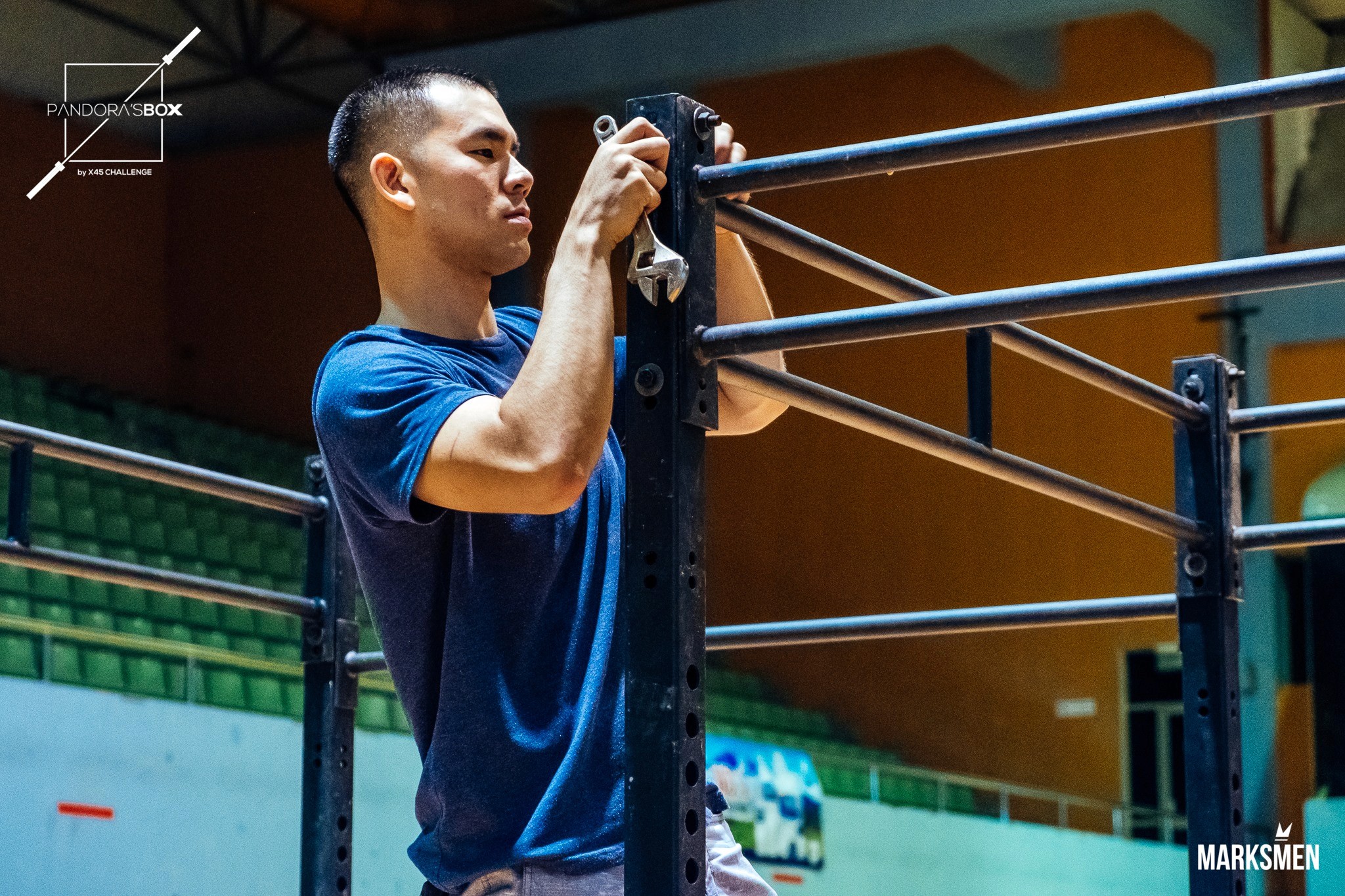
So, I took a leap. I quit school and became a personal coach, diving deep into fitness. Unlike university, where memorization was key, fitness required problem-solving. Every client had unique needs, and I had to develop solutions tailored to them. It felt familiar—like the strategy games I used to play, but in real life.
Through this journey, I met my current partners, and what started as a fitness studio evolved into something much bigger. We built a self-sustaining, multi-million-dollar company, and along the way, we learned firsthand the challenges of entrepreneurship—from bootstrapping and operational efficiency to scaling and execution. That experience led us to create avantej, where we now help founders build and scale their own ventures.
Building With Founders, Not Just Advising Them
Looking back, I see how everything connects. The problem-solving skills I honed through gaming—strategizing, optimizing limited resources, and adapting to dynamic challenges—became the backbone of how I approach business today, especially in leveraging technology and building efficient systems. The biggest lesson? You don’t need all the answers; you just need to know how to navigate uncertainty.
That’s why at avantej, we don’t just offer advice—we build with founders. Starting a business is messy, unpredictable, and full of unknowns. We know because we’ve been there. We’ve faced the same struggles—bootstrapping, pivoting, and figuring things out on the fly. And that’s why we believe founders shouldn’t have to do it alone.
Here’s what I’ve learned along the way:
Resourcefulness is Everything
In strategy games, everyone starts with the same tools, but winning depends on how you use them. Business is no different. We’ve built companies with limited resources, learning how to maximize what’s available to create momentum. At avantej, we help founders do the same—finding smart, sustainable ways to scale without relying on endless capital.
Big Picture Thinking is More Valuable Than Technical Skills
I was never great at memorizing formulas, but I was always good at solving problems. That mindset shaped how I approach business. Founders often get stuck in the details when what they really need is clarity on the bigger picture. Today, with AI and automation, technical barriers are lower than ever, but strategy, execution, and vision remain irreplaceable.
Execution is the Real Game-Changer
Dreaming big is easy; making things happen is the hard part. In gaming, no strategy works unless you execute it well. In business, it’s the same. Success isn’t just about having a great idea—it’s about acting on it, refining it, and adapting to challenges along the way. That’s where we come in—not just as advisors, but as co-founders in execution.
Creating Momentum, Together
My journey started with solving puzzles in games. Today, I solve real-world business challenges. The excitement I felt creating custom Warcraft maps as a kid is the same thrill I get now when building ventures with founders. The difference? The challenges are real, the stakes are higher, and the impact is tangible.
At avantej, we believe that no founder should have to build alone. Whether you’re at the idea stage or already scaling, if you’re looking for a team that truly understands the entrepreneurial journey—not just in theory but from experience—let’s create something incredible together.
Your idea is unique. Your path will be too. But with the right co-founding partner, let’s turn vision into reality.
From Computer Games to Business Games
If there’s one thing that defined my childhood, it was games—computer games. When I was five, my dad made a big purchase for the household: a computer. At the time, it felt like something from the future, and my dad, wanting to make the most of it, bought me an educational game filled with puzzles and problem-solving. That was the moment everything changed for me.
I was hooked. The stimulus of solving puzzles, exploring new possibilities, and finding creative ways to overcome challenges captivated me. Over time, I graduated from simple puzzle games to more complex strategy games like Red Alert and Warcraft. At 10, when I asked my dad if I could play these “serious” games, he hesitated. “Are you sure?” he asked. “These aren’t straightforward—they require deep thinking and strategy.”
But I was all in. Not only did I dive into strategy games, but I also discovered the Warcraft map editor, which allowed me to build my own game scenarios, modify variables, and craft entire stories. I would create maps and let my friends play them, watching as they enjoyed something I had built from scratch. That was my first taste of creation, of building something valuable for others.
However, what started as an innocent curiosity spiraled into addiction. I played video games almost every day of my life until I was 24. While it trained my mind to think critically—learning to work with limited resources, anticipate opponents’ strategies, and maximize efficiency—it also came at a cost. I lacked social skills, avoided physical activity, and performed poorly in school. I was so immersed in the virtual world that I neglected the real one.
The Turning Point: From Gaming to Growth
At some point, reality caught up with me. I had entered university to study engineering, but I quickly realized it wasn’t for me. I lacked motivation, didn’t do well academically, and felt stuck in a rut. I was aimless, coasting through life without direction. That’s when I had a realization—I couldn’t just keep running away into games.
So, I quit. I made the decision to stop gaming and start focusing on my real life. That’s when I discovered fitness. It was a world completely different from gaming—one where real-world effort translated into tangible results. If I wasn’t good at studying, perhaps I could excel at understanding the human body and movement.
So, I took a leap. I quit school and became a personal coach, diving deep into fitness. Unlike university, where memorization was key, fitness required problem-solving. Every client had unique needs, and I had to develop solutions tailored to them. It felt familiar—like the strategy games I used to play, but in real life.
Through this journey, I met my current partners, and what started as a fitness studio evolved into something much bigger. We built a self-sustaining, multi-million-dollar company, and along the way, we learned firsthand the challenges of entrepreneurship—from bootstrapping and operational efficiency to scaling and execution. That experience led us to create avantej, where we now help founders build and scale their own ventures.
Building With Founders, Not Just Advising Them
Looking back, I see how everything connects. The problem-solving skills I honed through gaming—strategizing, optimizing limited resources, and adapting to dynamic challenges—became the backbone of how I approach business today, especially in leveraging technology and building efficient systems. The biggest lesson? You don’t need all the answers; you just need to know how to navigate uncertainty.
That’s why at avantej, we don’t just offer advice—we build with founders. Starting a business is messy, unpredictable, and full of unknowns. We know because we’ve been there. We’ve faced the same struggles—bootstrapping, pivoting, and figuring things out on the fly. And that’s why we believe founders shouldn’t have to do it alone.
Here’s what I’ve learned along the way:
Resourcefulness is Everything
In strategy games, everyone starts with the same tools, but winning depends on how you use them. Business is no different. We’ve built companies with limited resources, learning how to maximize what’s available to create momentum. At avantej, we help founders do the same—finding smart, sustainable ways to scale without relying on endless capital.
Big Picture Thinking is More Valuable Than Technical Skills
I was never great at memorizing formulas, but I was always good at solving problems. That mindset shaped how I approach business. Founders often get stuck in the details when what they really need is clarity on the bigger picture. Today, with AI and automation, technical barriers are lower than ever, but strategy, execution, and vision remain irreplaceable.
Execution is the Real Game-Changer
Dreaming big is easy; making things happen is the hard part. In gaming, no strategy works unless you execute it well. In business, it’s the same. Success isn’t just about having a great idea—it’s about acting on it, refining it, and adapting to challenges along the way. That’s where we come in—not just as advisors, but as co-founders in execution.
Creating Momentum, Together
My journey started with solving puzzles in games. Today, I solve real-world business challenges. The excitement I felt creating custom Warcraft maps as a kid is the same thrill I get now when building ventures with founders. The difference? The challenges are real, the stakes are higher, and the impact is tangible.
At avantej, we believe that no founder should have to build alone. Whether you’re at the idea stage or already scaling, if you’re looking for a team that truly understands the entrepreneurial journey—not just in theory but from experience—let’s create something incredible together.
Your idea is unique. Your path will be too. But with the right co-founding partner, let’s turn vision into reality.
From Computer Games to Business Games
If there’s one thing that defined my childhood, it was games—computer games. When I was five, my dad made a big purchase for the household: a computer. At the time, it felt like something from the future, and my dad, wanting to make the most of it, bought me an educational game filled with puzzles and problem-solving. That was the moment everything changed for me.
I was hooked. The stimulus of solving puzzles, exploring new possibilities, and finding creative ways to overcome challenges captivated me. Over time, I graduated from simple puzzle games to more complex strategy games like Red Alert and Warcraft. At 10, when I asked my dad if I could play these “serious” games, he hesitated. “Are you sure?” he asked. “These aren’t straightforward—they require deep thinking and strategy.”
But I was all in. Not only did I dive into strategy games, but I also discovered the Warcraft map editor, which allowed me to build my own game scenarios, modify variables, and craft entire stories. I would create maps and let my friends play them, watching as they enjoyed something I had built from scratch. That was my first taste of creation, of building something valuable for others.
However, what started as an innocent curiosity spiraled into addiction. I played video games almost every day of my life until I was 24. While it trained my mind to think critically—learning to work with limited resources, anticipate opponents’ strategies, and maximize efficiency—it also came at a cost. I lacked social skills, avoided physical activity, and performed poorly in school. I was so immersed in the virtual world that I neglected the real one.
The Turning Point: From Gaming to Growth
At some point, reality caught up with me. I had entered university to study engineering, but I quickly realized it wasn’t for me. I lacked motivation, didn’t do well academically, and felt stuck in a rut. I was aimless, coasting through life without direction. That’s when I had a realization—I couldn’t just keep running away into games.
So, I quit. I made the decision to stop gaming and start focusing on my real life. That’s when I discovered fitness. It was a world completely different from gaming—one where real-world effort translated into tangible results. If I wasn’t good at studying, perhaps I could excel at understanding the human body and movement.
So, I took a leap. I quit school and became a personal coach, diving deep into fitness. Unlike university, where memorization was key, fitness required problem-solving. Every client had unique needs, and I had to develop solutions tailored to them. It felt familiar—like the strategy games I used to play, but in real life.
Through this journey, I met my current partners, and what started as a fitness studio evolved into something much bigger. We built a self-sustaining, multi-million-dollar company, and along the way, we learned firsthand the challenges of entrepreneurship—from bootstrapping and operational efficiency to scaling and execution. That experience led us to create avantej, where we now help founders build and scale their own ventures.
Building With Founders, Not Just Advising Them
Looking back, I see how everything connects. The problem-solving skills I honed through gaming—strategizing, optimizing limited resources, and adapting to dynamic challenges—became the backbone of how I approach business today, especially in leveraging technology and building efficient systems. The biggest lesson? You don’t need all the answers; you just need to know how to navigate uncertainty.
That’s why at avantej, we don’t just offer advice—we build with founders. Starting a business is messy, unpredictable, and full of unknowns. We know because we’ve been there. We’ve faced the same struggles—bootstrapping, pivoting, and figuring things out on the fly. And that’s why we believe founders shouldn’t have to do it alone.
Here’s what I’ve learned along the way:
Resourcefulness is Everything
In strategy games, everyone starts with the same tools, but winning depends on how you use them. Business is no different. We’ve built companies with limited resources, learning how to maximize what’s available to create momentum. At avantej, we help founders do the same—finding smart, sustainable ways to scale without relying on endless capital.
Big Picture Thinking is More Valuable Than Technical Skills
I was never great at memorizing formulas, but I was always good at solving problems. That mindset shaped how I approach business. Founders often get stuck in the details when what they really need is clarity on the bigger picture. Today, with AI and automation, technical barriers are lower than ever, but strategy, execution, and vision remain irreplaceable.
Execution is the Real Game-Changer
Dreaming big is easy; making things happen is the hard part. In gaming, no strategy works unless you execute it well. In business, it’s the same. Success isn’t just about having a great idea—it’s about acting on it, refining it, and adapting to challenges along the way. That’s where we come in—not just as advisors, but as co-founders in execution.
Creating Momentum, Together
My journey started with solving puzzles in games. Today, I solve real-world business challenges. The excitement I felt creating custom Warcraft maps as a kid is the same thrill I get now when building ventures with founders. The difference? The challenges are real, the stakes are higher, and the impact is tangible.
At avantej, we believe that no founder should have to build alone. Whether you’re at the idea stage or already scaling, if you’re looking for a team that truly understands the entrepreneurial journey—not just in theory but from experience—let’s create something incredible together.
Your idea is unique. Your path will be too. But with the right co-founding partner, let’s turn vision into reality.
Feb 28, 2025